

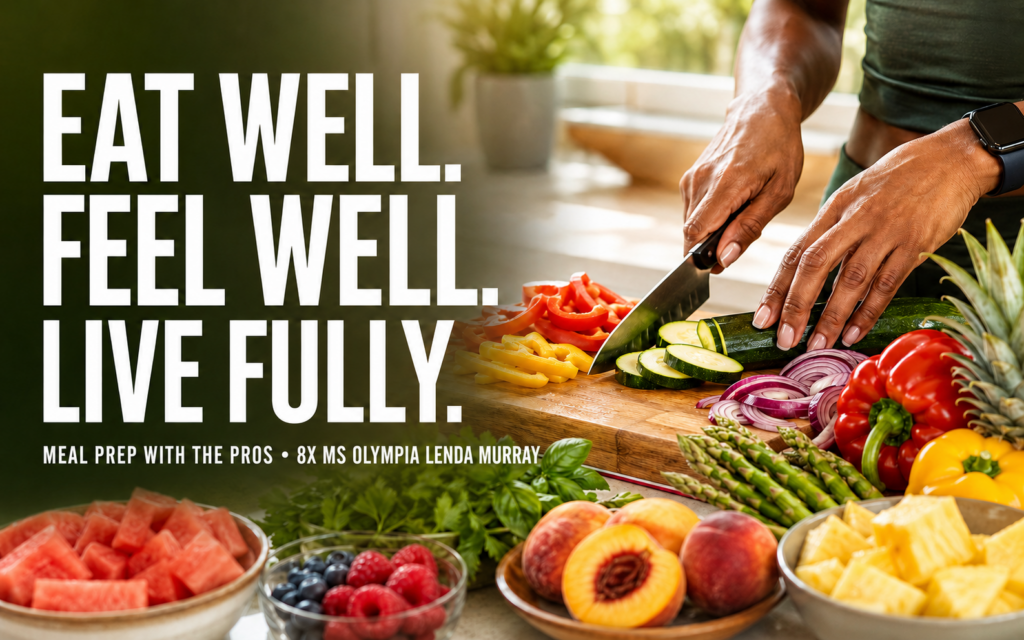
8X Ms. Olympia Lenda Murray Shares Her Approach to Balanced Nutrition, Mindful Portions, and Adding More Fruits and Vegetables to the Grill
When an eight-time Ms. Olympia talks about nutrition, you might expect to hear about strict meal plans, extreme restrictions, or complicated food rules. But after decades of training, competing, and learning what her body needs, Lenda Murray’s approach is refreshingly simple:
Balance matters. Moderation is key. And the way food makes you feel is just as important as how it looks on paper.
“I think about what I’m eating and how that food will make me feel,” Lenda explains.
That awareness is at the center of how her nutrition has evolved over the years. Rather than following an extreme approach or labeling foods as completely “good” or “bad,” she focuses on making thoughtful choices that support her health, energy, and quality of life.
Nutrition That Evolves with You
Our nutritional needs—and our relationship with food—can change as we move through different stages of life. What worked during years of intense competition preparation may not be the best fit for everyday health, longevity, and vitality.
For Lenda, experience has brought a greater appreciation for balance. She understands that sustainable nutrition isn’t built around perfection. It comes from consistently making choices that help the body feel nourished, energized, and satisfied.
That means paying attention to more than calories or numbers. It means noticing how a meal affects your energy, digestion, mood, training, sleep, and overall sense of well-being.
Before choosing a meal or snack, try asking yourself:
- Will this give me energy or leave me feeling sluggish?
- Will it satisfy me or have me searching for something else shortly afterward?
- Does it contain foods that support my health?
- How will I feel after eating it?
This simple pause can turn eating from an automatic habit into an intentional act of self-care.
Moderation Over Extremes
Extreme plans can sometimes produce short-term results, but they are rarely easy to sustain. Lenda’s philosophy is grounded in moderation—enjoying a variety of foods while remaining mindful of how much and how often you eat them.
A balanced approach leaves room for both nourishment and enjoyment. It allows fruits, vegetables, lean proteins, satisfying carbohydrates, healthy fats, and even occasional treats to coexist without guilt.
Moderation doesn’t mean you aren’t committed. It means you are building an approach you can realistically continue—not just for a few weeks, but for life.
Satisfied, Not Stuffed
What we eat is important, but so is how much we eat.
Lenda emphasizes learning to stop when you feel satisfied rather than continuing until you feel stuffed. This sounds simple, but it can take practice—especially when we eat quickly, while distracted, or out of habit rather than hunger.
Slow down enough to notice your body’s signals. Give yourself time to taste and enjoy your meal. Pause before reaching for another serving and ask whether you are still physically hungry or simply continuing because food remains on your plate.
A few helpful habits include:
- Begin with a reasonable portion and add more only if you are still hungry.
- Eat slowly and put your fork down periodically.
- Limit distractions when possible so you can pay attention to the meal.
- Notice the point when hunger disappears and comfortable satisfaction begins.
- Remember that you can enjoy the food again later—you do not have to finish everything at once.
The goal is not restriction. It is learning to give your body enough without regularly giving it more than it needs.
Add More Color to Your Plate
Fruits and vegetables are an easy, flavorful way to bring more variety, color, and nourishment to everyday meals. Different colors represent different combinations of vitamins, minerals, fiber, and naturally occurring plant nutrients, which is why variety matters.
Instead of feeling like you must completely overhaul your diet, begin by adding something colorful to meals you already enjoy:
- Add berries or sliced fruit to breakfast.
- Include a salad or vegetable with lunch.
- Keep washed fruit available for an easy snack.
- Add an extra vegetable to soups, omelets, wraps, or pasta dishes.
- Fill part of your dinner plate with two vegetables instead of one.
- Choose produce that is in season for better flavor and variety.
Frozen fruits and vegetables can also be convenient options. They reduce preparation time, keep longer, and make it easier to have nutritious choices available when fresh produce runs out.
Fire Up the Grill
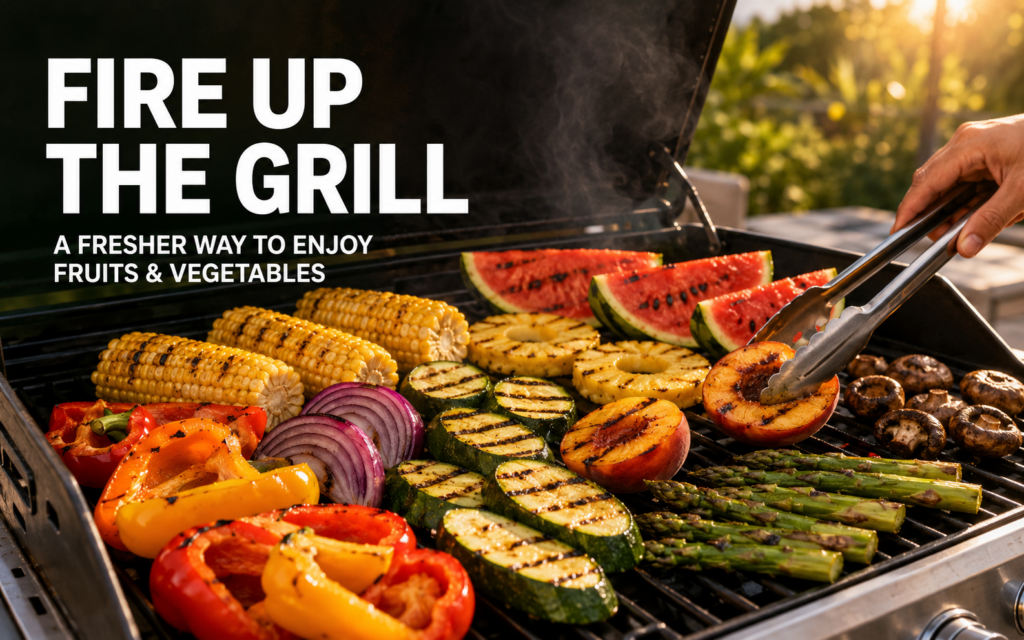
Lenda grills frequently, and the grill isn’t only for meat. Grilling fruits and vegetables intensifies their natural flavors, adds a smoky finish, and can make familiar produce feel completely new.
Simple Tips for Grilling Vegetables
Choose vegetables that are firm enough to hold their shape, such as bell peppers, zucchini, yellow squash, onions, asparagus, mushrooms, eggplant, corn, broccoli, or cauliflower.
- Cut the vegetables into pieces large enough that they will not fall through the grates.
- Lightly coat them with olive or avocado oil.
- Season simply with herbs, pepper, garlic, or a small amount of salt.
- Place smaller pieces in a grill basket or thread them onto skewers.
- Grill over medium to medium-high heat, turning as needed, until tender with light char marks.
- Remove them while they still have some texture—overcooking can leave them soft and dry.
Try combining several vegetables on a skewer, but keep pieces similar in size and group together vegetables with comparable cooking times.
Simple Tips for Grilling Fruit
Peaches, pineapple, watermelon, nectarines, pears, bananas, and thick slices of apple are all delicious on the grill.
- Begin with fruit that is ripe but still firm.
- Cut it into thick slices or large pieces.
- Make sure the grill grates are clean and lightly oiled.
- Grill briefly over medium heat—usually just long enough to warm the fruit and create grill marks.
- Turn carefully and avoid moving it too often.
Grilled fruit is naturally sweet and can be served on its own or paired with Greek yogurt, cottage cheese, chopped nuts, cinnamon, or a small drizzle of honey. Grilled peaches also make a flavorful addition to a summer salad, while grilled pineapple or watermelon can add a sweet contrast to savory meals.
Build Your Own Grilled Produce Plate
No complicated recipe is required. Choose what looks fresh, colorful, and appealing, then create your own combination.
Vegetable combination:
- Zucchini
- Bell peppers
- Red onion
- Mushrooms
- Asparagus
Lightly coat with oil, season with garlic, black pepper, and your favorite herbs, then grill until tender.
Fruit combination:
- Peaches
- Pineapple
- Watermelon
Grill briefly, then serve warm as a naturally sweet finish to the meal.
A Lifestyle You Can Live With
Lenda Murray’s approach reminds us that good nutrition doesn’t have to be extreme to be effective. It should support your energy, health, performance, and enjoyment of life.
Think about what you are eating. Pay attention to how it makes you feel. Enjoy a wide variety of foods. Practice moderation. Learn to recognize when you are comfortably satisfied.
Most importantly, build habits that can grow and evolve with you.
That is what eating for vitality is truly about—not chasing perfection, but making thoughtful choices that help you feel your best and live fully.
Follow 8X Ms Olympia Lenda Murray on instagram @themsolympia


Follow us
@southernmuscleguide