

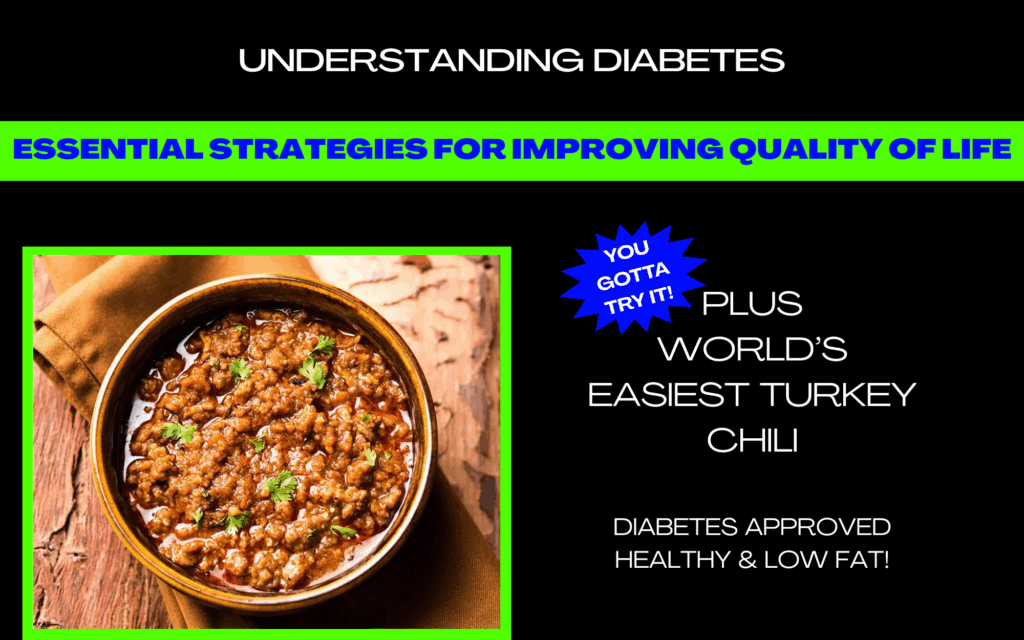
Diabetes is a chronic illness characterized by elevated blood sugar levels resulting from the body’s inability to produce or effectively utilize insulin. Insulin, a crucial hormone produced by the pancreas, regulates glucose levels in the bloodstream, ensuring that cells receive the energy they need. When insulin production is insufficient or the body cannot use it properly, glucose accumulates in the blood, leading to various health complications. Alarmingly, diabetes affects over 400 million individuals globally, with the World Health Organization reporting around 1.5 million diabetes-related deaths each year. In the United States alone, 2021 data from the CDC revealed that over 38 million people, or about 12% of the population, were diagnosed with this condition, with prevalence rising to 29% among Americans aged 65 and older.
Managing diabetes effectively requires a strategic approach to diet and lifestyle. A healthy diet, emphasizing non-starchy vegetables, lean proteins, and healthy fats, can significantly influence blood sugar levels. Limiting processed carbohydrates and added sugars is crucial, as these can cause blood sugar spikes. Additionally, incorporating foods with a low glycemic index (GI) helps regulate glucose levels and enhances insulin sensitivity. By making informed dietary choices, individuals with diabetes can achieve better blood sugar control and mitigate the risks associated with this pervasive health condition. As diabetes continues to impact millions worldwide, understanding and implementing effective management strategies is essential for improving quality of life and preventing complications.
EASY TURKEY CHILI
With the fall temperatures starting to get cool, it’s the perfect time for chili! This recipe is a must-try because it’s the world’s easiest to make. Whether you’re craving a comforting bowl on its own or looking to elevate your meal with creative pairings, this chili has you covered. Serve it atop a baked sweet potato for a hearty twist, or transform it into a healthy nacho spread with whole grain tortilla chips, cheese, shredded lettuce, and a dollop of guacamole. For those looking to enhance nutrition, adding cooked beans or grains like brown rice or quinoa is a fantastic way to boost fiber content. And don’t shy away from personalizing your chili with a dash of hot sauce, a sprinkle of extra spices, or a handful of chopped peppers. This adaptable recipe is your canvas for culinary creativity, making it a staple in your kitchen repertoire.
prep time: 10 min cook time: 25 min servings: 4 (1-1/4 cups)
diabetesfoodhub.org
Nutrition: Amount per serving: Calories 170, Total Fat 2g, Saturated Fat 0g, Trans Fats 0g, Cholesterol 55mg, Sodium 430mg, Total Carbohydrate 11g, Dietary Fiber 3g, Total Sugars 5g, Added Sugars 0g, Protein 28g, Potassium 658mg
INGREDIENTS
½ tsp black pepper
1/2 tsp salt
1 tsp cumin
1 tbsp chili powder
1 can no-salt-added diced tomatoes (14.5- ounce)
1 yellow onion (peeled and diced)
1 small bell pepper, any color (diced)
1 lb lean ground turkey
nonstick cooking spray
INSTRUCTIONS
Add cooking spray to a stock pot over high heat. Add the turkey and sauté until just cooked through, about 7-8 minutes.
Add the remaining ingredients and bring to a boil. Reduce to a simmer for 15 minutes.
Serve hot or cool to room temperature, then store in an airtight container in the refrigerator for up to one week or package in freezer bags in one cup increments for up to 3 months.
FOODS TO FOCUS ON
HEALTHY CARBOHYDRATES
Carbohydrates are essential for energy, but the type you eat can significantly impact blood sugar. Focus on high-fiber, complex carbs that are digested slowly.
- Whole grains: Brown rice, quinoa, barley, oats, and whole-wheat bread and pasta.
- Legumes: Beans, lentils, chickpeas, and peas.
- Fruits: Fresh or frozen berries, apples, pears, peaches, and citrus fruits. Eat whole fruits instead of juice to get the fiber.
- Starchy vegetables (in moderation): Sweet potatoes, corn, and green peas.
NON-STARCHY VEGETABLES
These are low in calories and carbs but high in fiber, vitamins, and minerals. They should make up half of your plate at each meal.
- Leafy greens: Spinach, kale, collard greens, and romaine lettuce.
- Cruciferous vegetables: Broccoli, cauliflower, and Brussels sprouts.
- Other vegetables: Carrots, tomatoes, mushrooms, bell peppers, eggplant, and zucchini.
LEAN PROTEINS
Protein helps you feel full longer and slows the absorption of glucose from carbohydrates.
- Plant-based: Beans, lentils, edamame, tofu, and nuts.
- Fish and seafood: Salmon, tuna, mackerel, and sardines are rich in omega-3s, which protect heart health.
- Poultry: Skinless chicken and turkey.
- Eggs.
HEALTHY FATS
Monounsaturated and polyunsaturated fats help lower cholesterol and reduce the risk of heart disease, a common complication of diabetes.
- Oils: Olive, canola, and avocado oils.
- Avocados.
- Nuts and seeds: Almonds, walnuts, pecans, chia seeds, and flaxseed.
- Fatty fish: Salmon and mackerel, rich in omega-3s.
“DIABETES SUPERFOODS”
The American Diabetes Association highlights specific foods that are packed with nutrients and can help manage your condition. Many fall into the above categories but are singled out for their potent health benefits.
- Berries: Loaded with fiber and antioxidants.
- Leafy greens: Excellent source of vitamins and minerals.
- Beans and lentils: High in fiber and protein.
- Avocados: Provide heart-healthy fats and fiber.
- Fatty fish: Supply omega-3 fatty acids.
- Nuts and seeds: Contain healthy fats and fiber.
- Citrus fruits: Rich in vitamin C and fiber.
FOODS TO LIMIT OR AVOID
For better blood sugar control, it is recommended to reduce your intake of these foods:
- Sugary drinks: Soda, juice, and energy drinks.
- Refined carbs: White bread, white rice, pasta, and crackers.
- Sweetened foods: Candy, cookies, cakes, and ice cream.
- High-sodium foods: Heavily processed or salted foods.
- Saturated and trans fats: Fried foods, bacon, hot dogs, and high-fat dairy.
- Processed meats: Bacon, ham, and sausages.
NATURAL WAYS TO LOWER BLOOD SUGAR
Nutrition, exercise and medication are the three most important factors for keeping blood sugar levels in a safe range. However, these additional natural approaches can majorly help with balancing blood sugar, too.
Eat Your Veggies: If your blood sugar is elevated before a meal, choose foods that won’t raise it higher. Non-starchy vegetables like broccoli, cucumbers and bell peppers are great choices because of their low glycemic index.
Eat More Protein: Protein-rich foods like lean meats, fish, beans and eggs also help stabilize blood sugar levels and slow digestion.
Exercise: Exercise is a good way to lower blood sugar. If you’re just starting a new exercise routine, though, your blood sugar may initially increase. This is because the body can perceive physical activity as stress, leading to a release of stress hormones, like cortisol. However, when you work out regularly, especially strength train, your muscles use glucose for repair and growth, leading to lower blood sugar levels.
Get Quality Sleep: Wedel says the best way to naturally lower your blood sugar is to get quality sleep. “It’s an important part of overall glucose management,” she says. “There are a lot of studies that indicate if you’re not sleeping adequately, then the stress to your body is higher and your blood sugar goes up.”Manage Stress: When you’re stressed out, you adopt unhealthy coping mechanisms like overeating or choosing sugary, high-carb snacks. Your sleep and exercise routines can be disrupted, as well. Chronic stress can also cause insulin resistance, leading to higher blood sugar levels and an increased risk of developing type 2 diabetes.

Follow us
@southernmuscleguidesouthernmuscleguide
Assisting your success with digital marketing.
Southern Natural Showdown eblast link: https://conta.cc/4i7r1OJ