


Bacteria, often mischaracterized solely as harmful agents of disease, play a dual role in our bodies, significantly contributing to our overall health. The human gut hosts a diverse community of beneficial bacteria, essential for effective digestion, nutrient absorption, and immune function. These “good” bacteria help break down complex carbohydrates, synthesize essential vitamins, and protect against pathogenic invaders. To support this vital microbiome, it’s important to consume a diet rich in fiber and probiotics. Soluble and insoluble fibers found in fruits, vegetables, and whole grains promote a healthy digestive tract by preventing constipation and reducing the risk of conditions like diverticular disease. Meanwhile, probiotics, present in foods like yogurt, kefir, and fermented vegetables, help maintain a balance between beneficial and harmful bacteria in the intestines, enhancing gut health and overall well-being. By nurturing these beneficial bacteria, we can support bodily functions and bolster our defenses against illness.
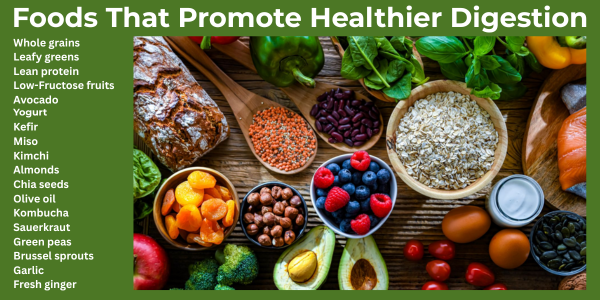
Incorporating foods that promote healthier digestion can significantly enhance your gastrointestinal well-being and help you avoid common symptoms like bloating, gas, and discomfort. Whole grains, such as oats, brown rice, and quinoa, are rich in fiber and essential nutrients like omega-3 fatty acids, which are crucial for optimal colon function and maintaining regular bowel movements. Leafy greens, including spinach and kale, not only provide fiber but also deliver vital vitamins like A, C, and K. They contain specific sugars that nourish beneficial gut bacteria, supporting a balanced microbiome. For those with IBS or sensitivity, lean proteins like chicken, turkey, and fish are recommended, as they are less likely to irritate the digestive tract compared to high-fat foods. Additionally, low-fructose fruits, such as berries and citrus, are easier on the stomach and reduce the risk of gas and bloating. Avocados, when consumed in moderation, offer a wealth of fiber and nutrients like potassium, promoting smooth digestive function. Consider incorporating sauerkraut, which is made from fermented cabbage and brimming with probiotics that aid in digestion and nutrient absorption. Its tangy flavor can enhance sandwiches or serve as a side dish. Chia seeds are another excellent choice; these tiny seeds are rich in omega-3 fatty acids and soluble fiber, which help regulate bowel movements and promote a healthy gut. Sprinkle them over yogurt, oatmeal, or blend them into smoothies. Lastly, bananas, known for their high fiber content, can help restore normal bowel function and are gentle on the stomach, making them a great snack or addition to cereal. Embracing these dietary choices can lead to a healthier, happier gut. These options offer a diverse array of flavors and textures to keep your digestive system functioning optimally.
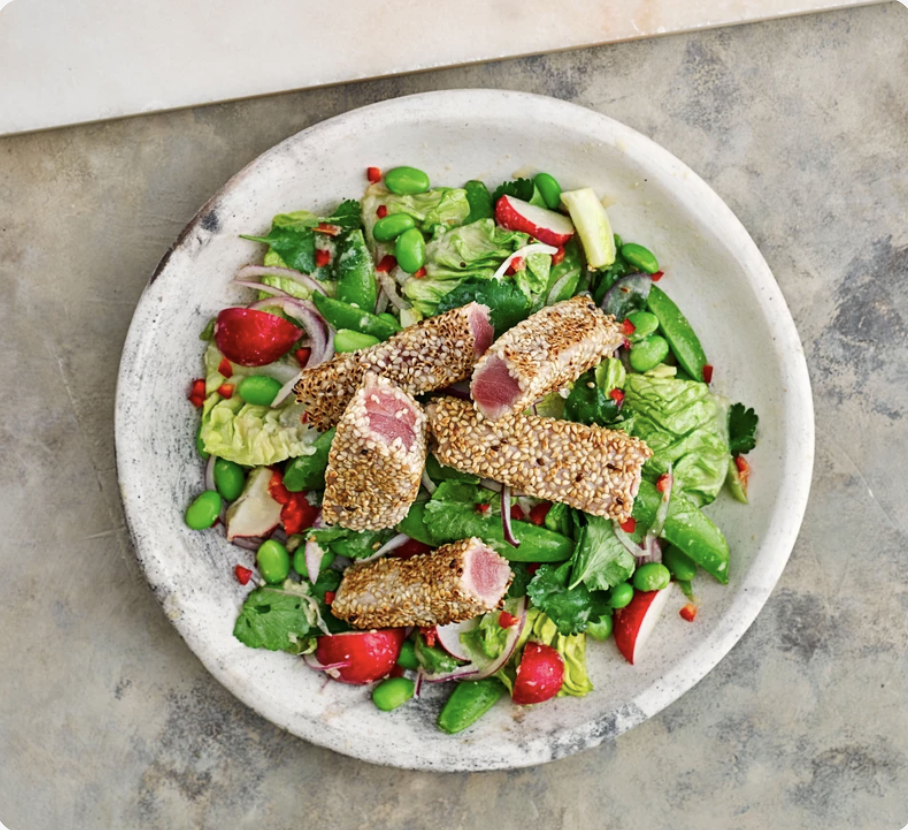
SESAME-CRUSTED TUNA
Sesame-Crusted Tuna is a dish that burst with flavors combining the rich, buttery texture of fresh tuna with the nutty crunch of sesame seeds. Lightly coating the tuna steak in a mixture of black and white sesame seeds, not only adds a visually appealing contrast but also offers a depth of flavor. The sear on the steaks, creates a perfectly crisp exterior while maintaining a tender, rare center. Served with a salad with a Miso dressing, Sesame-Crusted Tuna is a sophisticated yet simple dish that celebrates the natural taste of the fish, making it a favorite among seafood lovers.
Serves 2 | Total Time 30 minutes
Nutrition: per serving – 380 calories, 13.7g fat, 2.3g saturated fats, 14g carbohydrates, 8.9g sugar, 6.9g fiber, 46.6g protein, 1g sodium
www.olivemagazine.com
INGREDIENTS
2 tuna steaks
3 tbsp sesame seeds, equal parts black & white seeds
2 tsp sesame oil
Dressing
1 tbsp miso paste
1 tbsp rice vinegar
a thumb-sized piece ginger, grated
3-⅓ tablespoons water
Salad
1 little gem lettuce, cored and cut into chunky pieces
3.5oz sugar snap peas
a handful radishes, quartered
2.6oz edamame
½ red onion, finely sliced
1 red chilli, finely chopped
½ a small pack coriander, torn
INSTRUCTIONS
- For the dressing, put the miso into a bowl and add 3-⅓ tablespoons of cold water, whisking to dissolve. Stir in the rice vinegar, ginger and some seasoning.
- Place all of the salad ingredients into a large bowl, then toss gently with the dressing.
- Cut the tuna steaks into 1-inch fingers, then put the sesame seeds onto a plate and roll over the tuna pieces to cover all the sides.
- Heat the sesame oil in a non-stick frying pan over a medium-high heat. Cook the tuna pieces for 30 seconds on each side, just to sear and toast the sesame seeds.
- Divide the salad between two plates and serve with the tuna on top.
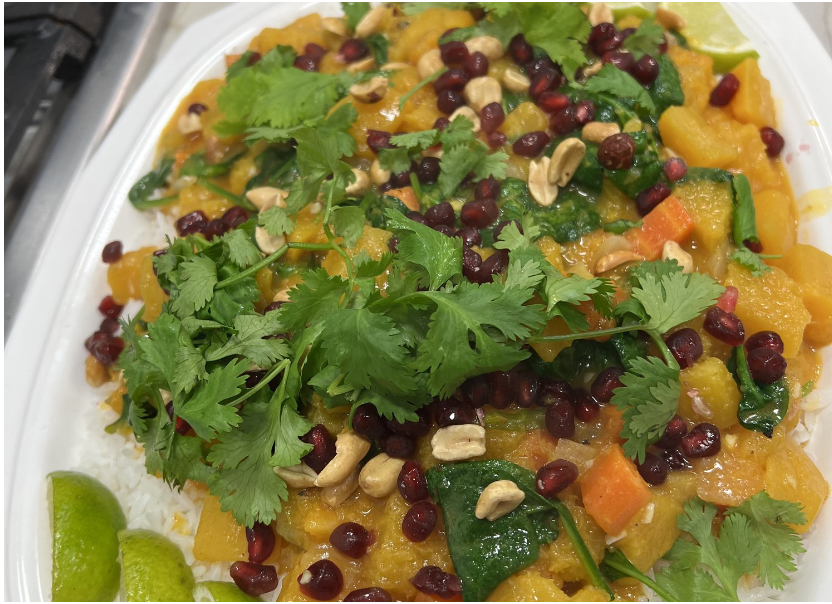
KABOCHA SQUASH RED CURRY
Kobocha Squash Red Curry is a flavorful dish that combines the rich and nutty taste of Kabocha squash and packed with vibrant vegetables, it offers a burst of color and nutrients in every bite. The creamy red curry broth is a symphony of flavors, balancing spicy, sweet, sour, and salty elements to create a truly satisfying experience. When served with jasmine rice, the dish becomes even more indulgent, allowing you to savor every drop of the delicious sauce. Perfect for a cozy dinner, this curry is sure to become a favorite in your culinary repertoire.
Serves 8 | Total Time 1hour 25 minutes
Nutrition info: per serving – 320 calories, 29g total fat, 21g saturated fat, 15g carbohydrates, 3g dietary fiber, 4g sugar, 7g protein, 9mg cholesterol, 547mg sodium
foodnetwork.com
INGREDIENTS
2 tablespoons unsalted butter
1 carrot, cut into 1/2-inch dice
1/2 Spanish onion, cut into 1/2-inch dice
2 tablespoons finely minced fresh ginger
4 cups 1-inch-dice kabocha squash (from about 1 peeled squash)*
Kosher salt and freshly ground black pepper
4 cloves garlic, minced
2 tablespoons Thai red curry paste
Two 13.5-ounce cans coconut milk
1 cup chicken stock
2 tablespoons fish sauce
1 cup fresh spinach
Cooked long-grain rice (preferably jasmine), for serving
1/2 cup peanuts, toasted
1/2 cup fresh cilantro leaves
1/4 cup pomegranate seeds
Lime wedges, for serving
INSTRUCTIONS
- Add the butter to a medium pot over medium heat and let it brown. Add the carrot, onion and ginger and let cook until lightly softened, about 5 minutes.
- Add the squash and cook, stirring occasionally, for 5 more minutes. Season with salt and pepper. Add the garlic and cook for 2 more minutes. Add the curry paste and cook for another 2 minutes. Whisk in the coconut milk and chicken stock. Simmer until the sauce is reduced and thickened, about 45 minutes. Stir in the fish sauce and spinach.
- Serve over rice and garnish with the peanuts, cilantro, pomegranate and limes.
Pro Tip:
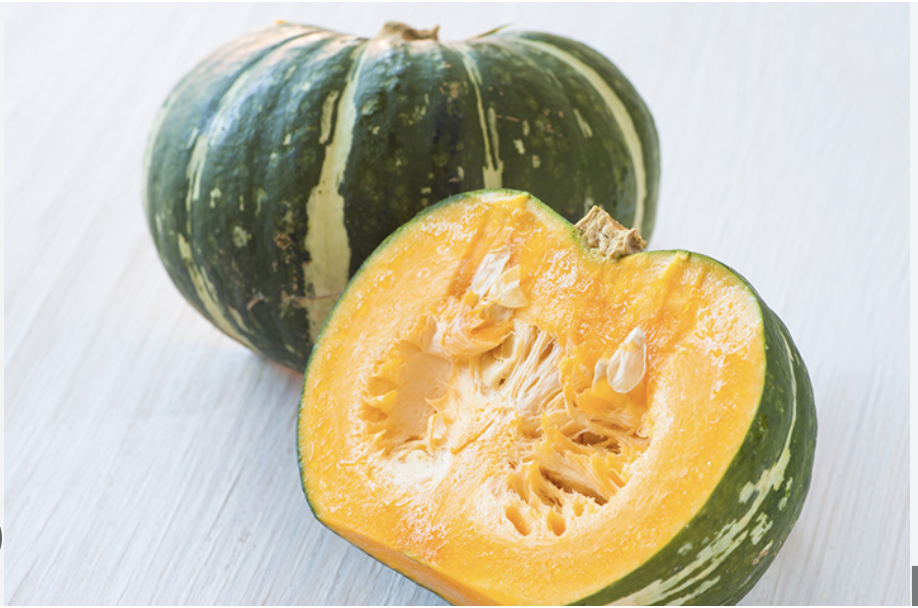
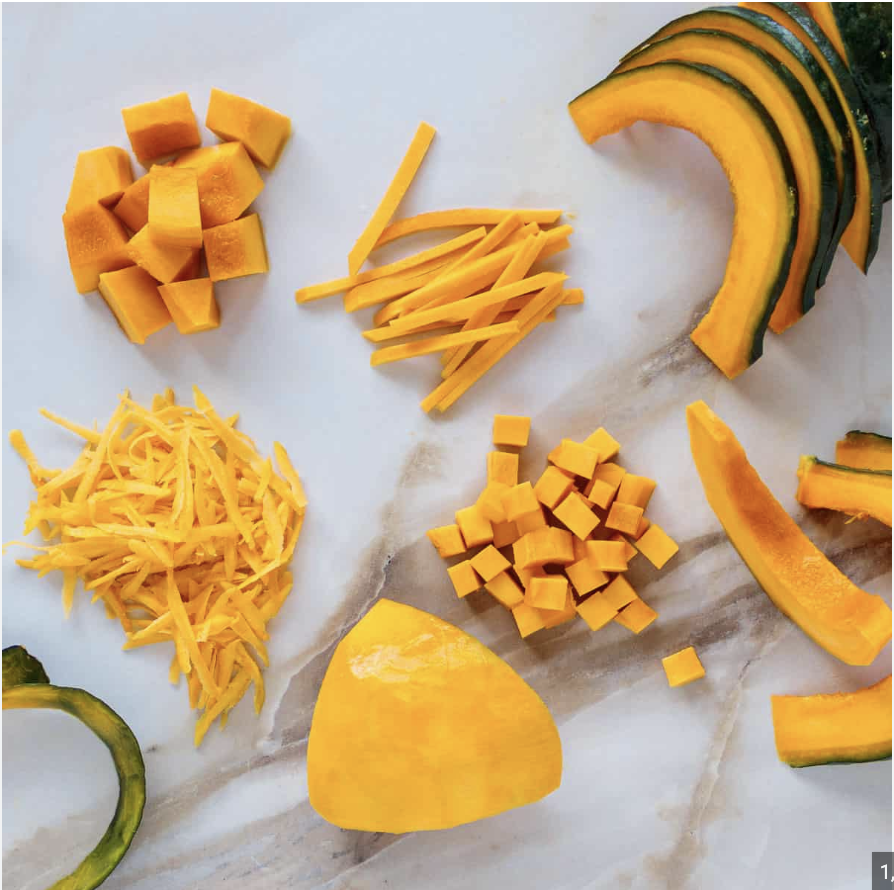
Kabocha squash is a nutritional powerhouse, particularly beneficial for promoting healthy digestion. Rich in dietary fiber, it aids in maintaining regular bowel movements and preventing constipation, thus supporting overall gut health. Additionally, kabocha squash is low in fat and easy to digest, making it an excellent choice for individuals with sensitive stomachs or gastrointestinal conditions. Kabocha squash is available year- round but is at its peak in late summer and early fall and has a sweet, nutty flavor similar to sweet potato and pumpkin. Whether roasted, steamed, or pureed, kabocha squash offers a delicious and healthful way to support digestive wellness and can be easily incorporated into a variety of dishes.
To Prepare: Rinse the squash with water. Cut the squash in half lengthwise and remove the seeds with a spoon. The rind can be eaten after it is cooked, but it can also be removed before cooking: Cut the squash in 2-inch slices and place each on its side to safely cut off the rind.

Follow us
@southernmuscleguidesouthernmuscleguide
Assisting your success with digital marketing.
Southern Natural Showdown eblast link: https://conta.cc/4i7r1OJ